

For athletes, protein is more than just a nutrient—it’s the foundation for muscle repair, recovery, and sustained performance. Whether you’re engaged in strength training, endurance sports, or a combination of both, the amount and timing of protein intake can significantly impact results. Different studies have highlighted the importance of tailoring protein consumption to match activity levels and individual goals, and according to Sports Fanfare, athletes who prioritize proper protein strategies often experience improved strength gains and faster recovery. Understanding how much protein you need, when to consume it, and what sources to choose is essential for maximizing athletic performance.
How Much Protein Do Athletes Need?
Protein requirements for athletes are higher than for the average person due to increased muscle breakdown during training. Most experts recommend 1.2 to 2.0 grams of protein per kilogram of body weight daily, depending on training intensity and goals. Strength and power athletes generally need more protein to support muscle growth, while endurance athletes require it to aid recovery and prevent muscle loss from prolonged exercise.
The Role of Protein in Recovery
After intense training, muscles need repair and rebuilding. Protein provides the essential amino acids that act as building blocks for recovery. Consuming protein along with carbohydrates enhances glycogen replenishment, reducing fatigue and preparing the body for the next session. This combination is especially important for athletes with multiple daily training sessions or competitions.
Intake Timing for Performance

When athletes consume protein, it is just as important as the amount they consume. Post-workout protein intake is crucial because the body is most receptive to muscle repair during this time. A fast-digesting protein like whey, within 30 minutes of training, helps replenish amino acids quickly. Spreading protein intake evenly throughout the day, instead of relying on one large meal, ensures a constant supply for muscle maintenance and energy balance.
Best Sources of Protein for Athletes
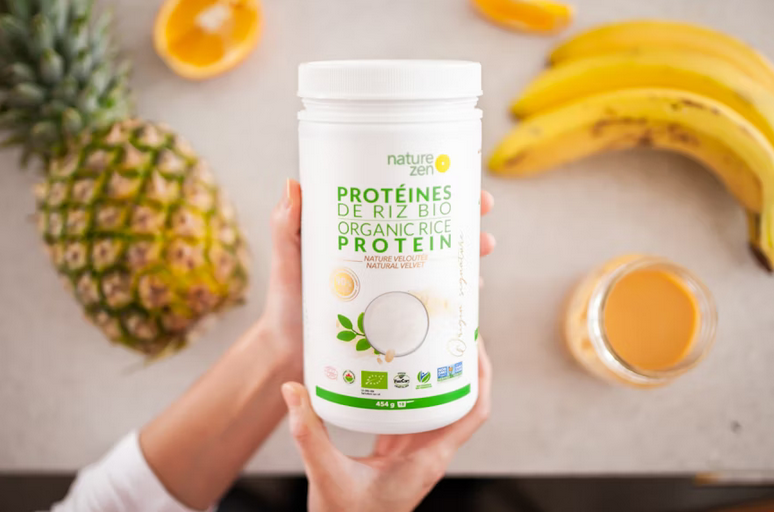
Whole food sources like chicken, fish, eggs, and lean beef remain excellent choices for athletes due to their complete amino acid profiles. For those on plant-based diets, soy, lentils, quinoa, and pea protein can also provide sufficient amino acids when consumed in variety. Protein powders are a convenient way to meet higher demands, especially post-workout or during busy schedules, but they should complement a balanced diet rather than replace it.
Some Common Mistakes to Avoid

Many athletes either underestimate their protein needs or overconsume without proper balance. Too little protein leads to slower recovery, reduced performance, and possible muscle loss. Too much, on the other hand, can place unnecessary strain on the kidneys and digestive system. Finding the right balance tailored to body weight, training style, and fitness goals is essential for optimal results.
Protein intake plays a critical role in every athlete’s journey, from enhancing recovery to fueling performance and building strength. By consuming the right amount, timing it strategically, and choosing high-quality sources, athletes can maximize the benefits of their training. Proper protein intake isn’t about excess — it’s about smart nutrition that supports long-term progress, resilience, and peak performance.