

For athletes, protein is more than just a nutrient—it’s the foundation for muscle repair, recovery, and sustained performance. Whether you’re engaged in strength training, endurance sports, or a combination of both, the amount and timing of protein intake can significantly impact results. Different studies have highlighted the importance of tailoring protein consumption to match activity levels and individual goals, and according to Sports Fanfare, athletes who prioritize proper protein strategies often experience improved strength gains and faster recovery. Understanding how much protein you need, when to consume it, and what sources to choose is essential for maximizing athletic performance.
How Much Protein Do Athletes Need?
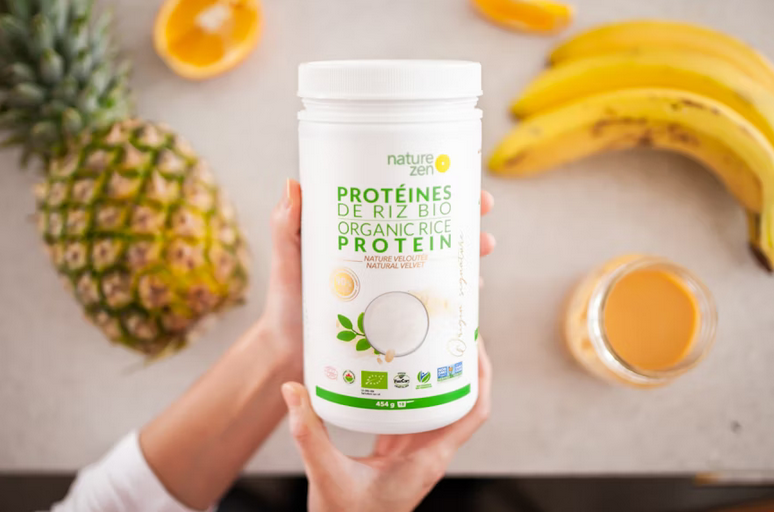
Protein requirements for athletes are higher than for the average person due to increased muscle breakdown during training. Most experts recommend 1.2 to 2.0 grams of protein per kilogram of body weight daily, depending on training intensity and goals. Strength and power athletes generally need more protein to support muscle growth, while endurance athletes require it to aid recovery and prevent muscle loss from prolonged exercise.
The Role of Protein in Recovery
After intense training, muscles need repair and rebuilding. Protein provides the essential amino acids that act as building blocks for recovery. Consuming protein along with carbohydrates enhances glycogen replenishment, reducing fatigue and preparing the body for the next session. This combination is especially important for athletes with multiple daily training sessions or competitions.
Intake Timing for Performance

When athletes consume protein, it is just as important as the amount they consume. Post-workout protein intake is crucial because the body is most receptive to muscle repair during this time. A fast-digesting protein like whey, within 30 minutes of training, helps replenish amino acids quickly. Spreading protein intake evenly throughout the day, instead of relying on one large meal, ensures a constant supply for muscle maintenance and energy balance.
Best Sources of Protein for Athletes
Whole food sources like chicken, fish, eggs, and lean beef remain excellent choices for athletes due to their complete amino acid profiles. For those on plant-based diets, soy, lentils, quinoa, and pea protein can also provide sufficient amino acids when consumed in variety. Protein powders are a convenient way to meet higher demands, especially post-workout or during busy schedules, but they should complement a balanced diet rather than replace it.
Some Common Mistakes to Avoid

Many athletes either underestimate their protein needs or overconsume without proper balance. Too little protein leads to slower recovery, reduced performance, and possible muscle loss. Too much, on the other hand, can place unnecessary strain on the kidneys and digestive system. Finding the right balance tailored to body weight, training style, and fitness goals is essential for optimal results.
Protein intake plays a critical role in every athlete’s journey, from enhancing recovery to fueling performance and building strength. By consuming the right amount, timing it strategically, and choosing high-quality sources, athletes can maximize the benefits of their training. Proper protein intake isn’t about excess — it’s about smart nutrition that supports long-term progress, resilience, and peak performance.…

 A weight loss clinic or weight loss center helps people lose weight and discover plans and approaches to stay healthy. These clinics have trained clinicians, doctors, and medical staff who will provide evidence-based approaches to help you in your weight loss journey. Some of these centers, called medical weight reduction centers, focus on physician-supervised applications that require dietary supplements and exercise.
 Once you visit a weight loss center, you will undergo an initial consultation where a clinician will assess your health and medical history, your lifestyle, exercise habits, and determine your body mass index. Your doctor or clinician will then look for a weight loss program tailored to you.
 In general, a weight-loss plan might be ideal for you if you have a BMI over 30, which is considered fat. You should …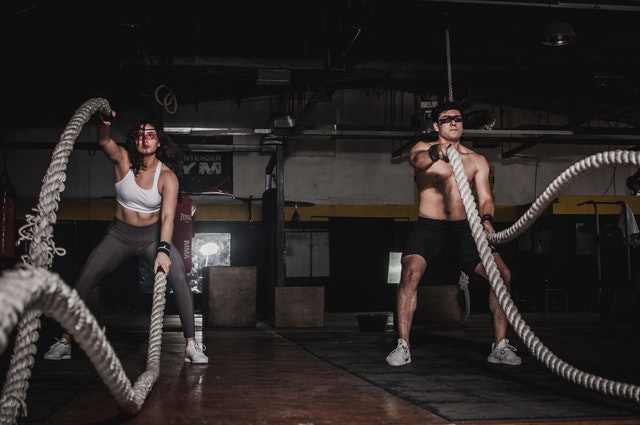




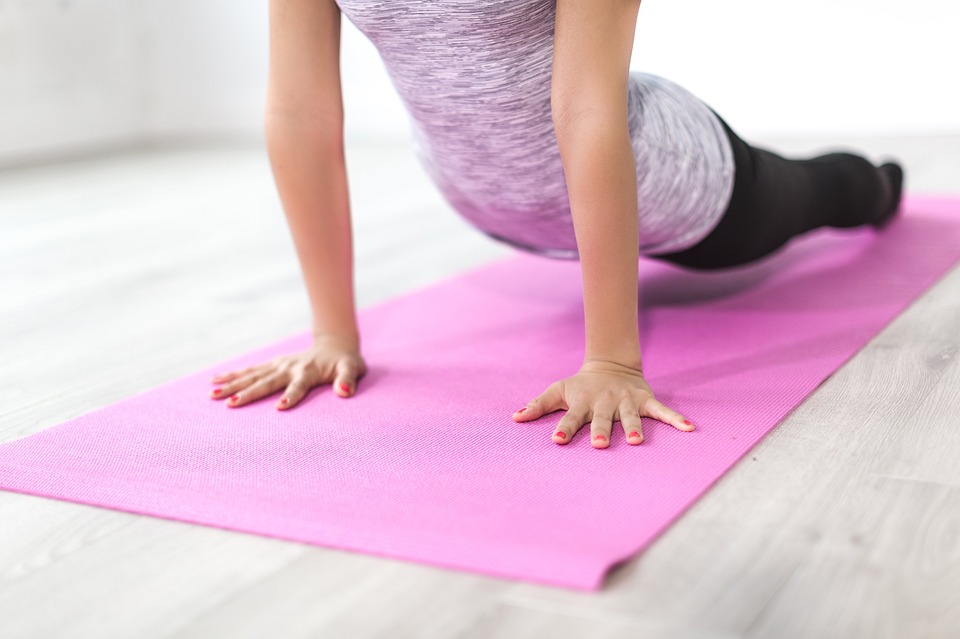
 An exercise mat has adequate padding that protects your elbows, tailbone, and knees during the floor work. It offers you the much-needed balance in yoga and can protect your tailbones and hips. When you use it as required, it accommodates full-length prone exercises. It helps keep the carpets and floor clean by ensuring sweat is kept away. These mats are also more storable and portable as compared to the thicker puzzle-board floor mats.
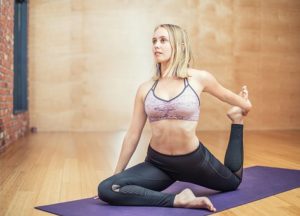 As noted above, these mats are thinner than pilate mats. That is because they are intended for low impact exercises. They are made of a wide range of materials that include closed-cell PVC, rubber, cotton, and mesh. They are sticky and can cling to a hard floor surface. Also, they offer adequate cushioning for yoga exercises and will keep the yoga practitioner from sustaining injury and slipping. They are easy to clean with water and soap.